
Government agencies face a unique challenge: they must coordinate across multiple departments, serve diverse communities, and maintain transparency, all while managing limited resources. When internal communication breaks down, the consequences ripple outward. Projects stall, policies become inconsistent, and public trust erodes.
The good news is that modern technology provides practical ways to improve. With the right systems and strategies, agencies can enhance collaboration, streamline information sharing, and better serve their communities. Here’s how to make it happen.
Quick Navigation
Why Strong Internal Communication Matters
Effective communication within government agencies is more than just a simple matter of convenience; it’s also about service delivery and accountability. When departments operate in silos, critical information gets lost, duplicated efforts waste taxpayer dollars, and response times can slow to a crawl.
Strong internal communication creates alignment. It ensures everyone works from the same information, understands shared objectives, and can coordinate effectively across departmental lines.
Common Barriers to Effective Agency Communication
Effective communication within an agency is the backbone of successful collaboration. Without it, even the best strategies can falter, and teams may struggle to deliver on their mission. Before exploring solutions, it’s crucial to understand the barriers that hinder smooth communication.
Outdated Technology and Paper-Based Systems
Many agencies still rely on outdated contact lists, printed directories, and manual processes. These methods create bottlenecks. When staff information changes, updating dozens of spreadsheets and printed materials becomes a logistical nightmare. Important announcements get lost in email chains or never reach remote workers.
Department Silos
Agencies often develop their own internal cultures and workflows. While specialization has benefits, it can also create invisible walls. Departments may avoid reaching out to colleagues in other divisions, assuming they’re too busy or won’t have relevant information. This isolation can lead to missed opportunities for collaboration and knowledge sharing.
Inconsistent Access to Information
Not all government employees work at desks. Field inspectors, maintenance crews, emergency responders, and community outreach workers need information while on the move. When critical updates only exist in desk-bound systems, these essential team members get left behind.
Security and Privacy Concerns
Government agencies handle sensitive information daily. This creates legitimate concerns about communication platforms. Leaders worry about data breaches, unauthorized access, and compliance with public records laws. These concerns sometimes lead to paralysis, where agencies avoid modernizing because they fear security risks.
Practical Solutions for Better Internal Communication
Effective internal communication is fundamental to the success of every agency. By addressing common challenges and implementing practical solutions, organizations can foster better collaboration, enhance productivity, and build trust within their teams.
Let’s explore actionable ways to improve communication while ensuring security and efficiency.
Centralize Your Staff Directory
A centralized, digital staff directory solves multiple problems at once. Instead of maintaining separate contact lists across departments, agencies can create one authoritative source that everyone can access.
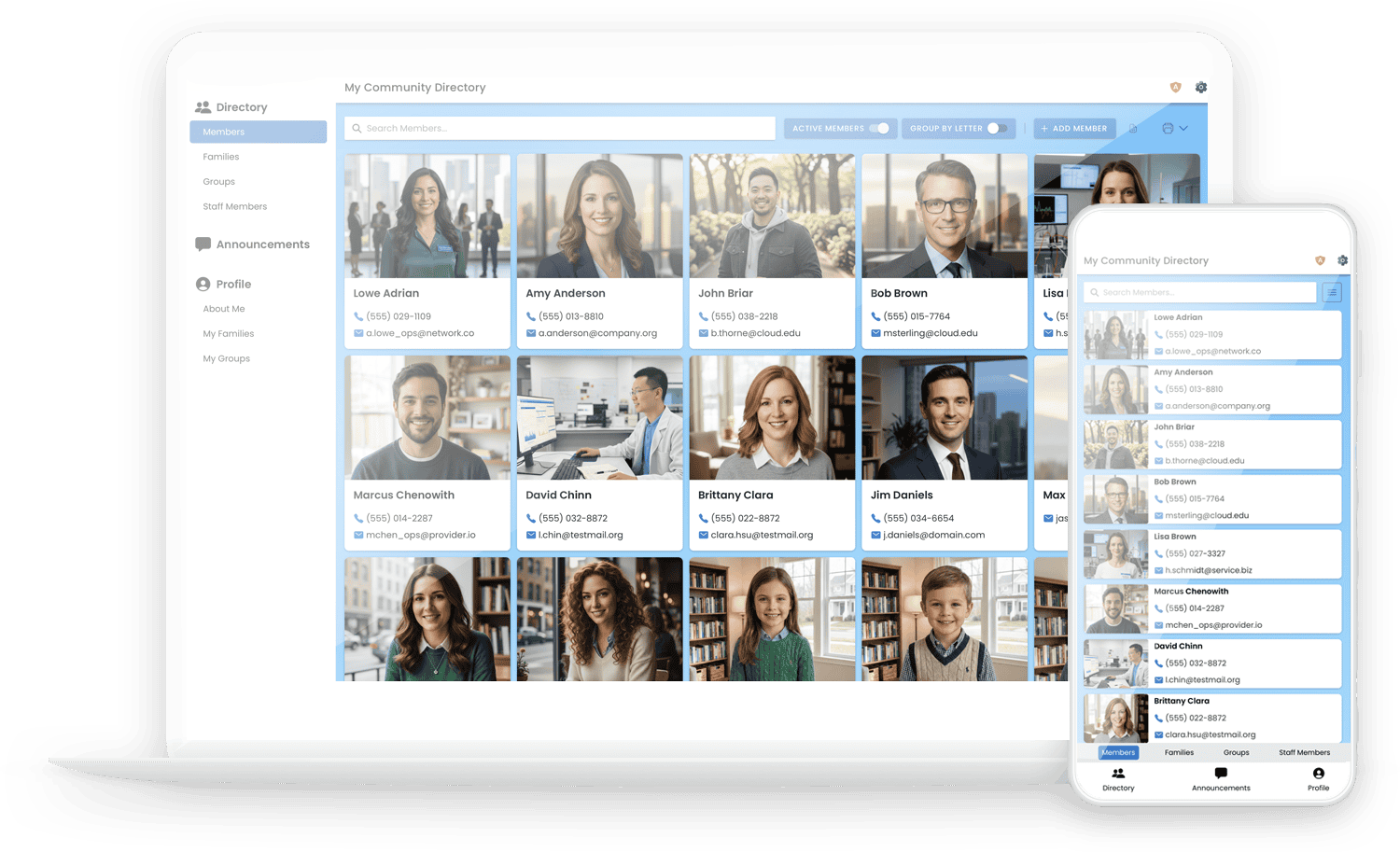
Modern government communications software makes directories searchable and mobile-accessible. Staff can quickly find colleagues across departments, verify contact information, and understand organizational structure, all from their phones or computers. When someone changes roles or contact information, administrators update it once, and everyone sees the change immediately.
Enable Quick, Targeted Announcements
Effective agencies need to communicate rapidly. Whether announcing an emergency closure, sharing policy updates, or coordinating responses to community needs, leaders must reach the right people quickly.
Some digital directory platforms allow administrators to send announcements to the entire organization or specific groups with just a few clicks. Instead of wondering whether everyone received an email or checking multiple communication channels, agencies gain confidence that critical information reaches its intended audience.
Create Secure Staff Directories
For agencies managing multiple locations, divisions, or jurisdictions, maintaining accurate contact information becomes exponentially more complex. Local government communications software addresses this by creating secure, centralized directories that serve as single sources of truth.
These directories can include photos, contact preferences, departmental affiliations, and specialized skills. When a crisis hits or a complex project requires specific expertise, managers can quickly identify and contact the right personnel.
Real-World Benefits of Member Management Tools
By streamlining processes and enhancing accessibility, these tools empower organizations in the following ways:
Improved Coordination
When all departments have access to the same information, coordination becomes natural rather than forced. A planning department reviewing permit applications can quickly reach out to environmental services for input. Public works can coordinate with traffic management on road closures. Finance can distribute budget updates that every department sees simultaneously.
Reduced Administrative Burden
Agency communication platforms reduce the time staff spend managing contact information, tracking down colleagues, or resending announcements to people who missed them. This efficiency translates directly into more time for mission-critical work.
Enhanced Transparency
Internal transparency builds trust and accountability. When all staff can see organizational structure, understand who’s responsible for what, and access important announcements, it creates a culture of openness. This internal transparency often translates to better external transparency with constituents.
Better Emergency Response
During emergencies, every second counts. Having instant access to current staff contact information, the ability to send urgent alerts, and clear chains of communication can make the difference in effective crisis response. Modern systems ensure that even off-duty or remote staff receive critical notifications.
Increased Employee Engagement
When employees can easily connect with colleagues across departments, it fosters collaboration and knowledge sharing. Staff feel more connected to the broader agency mission rather than isolated within their immediate teams. This engagement often leads to innovative solutions and improved morale.
Making the Transition to an Online Member Directory
Upgrading your staff directory doesn’t require massive disruption. Start by identifying your biggest pain points. Is your staff directory hopelessly outdated? Do important announcements fail to reach field workers? Are departments struggling to collaborate on cross-functional projects?
Choose solutions designed specifically for your needs, offer straightforward pricing without hidden fees, and provide genuine support during implementation.
Most importantly, involve staff in the process. The people using these systems daily have valuable insights about what works and what doesn’t. Their buy-in makes adoption smoother and more successful.
Transform Your Agency’s Communication Today
Effective internal communication isn’t a luxury; it’s fundamental to serving your community well. Government agencies that invest in modern communication infrastructure find themselves better equipped to coordinate complex projects, respond to emergencies, and maintain the trust of the people they serve.
Online member directories offer a secure, user-friendly platform. Opt for platforms that have features including centralized staff directories, instant announcements, and mobile accessibility to address the unique challenges your agency faces, without complicated pricing or hidden fees.
Ready to strengthen your staff connectivity? Start your free 30-day trial today and discover how simple and effective it can be.